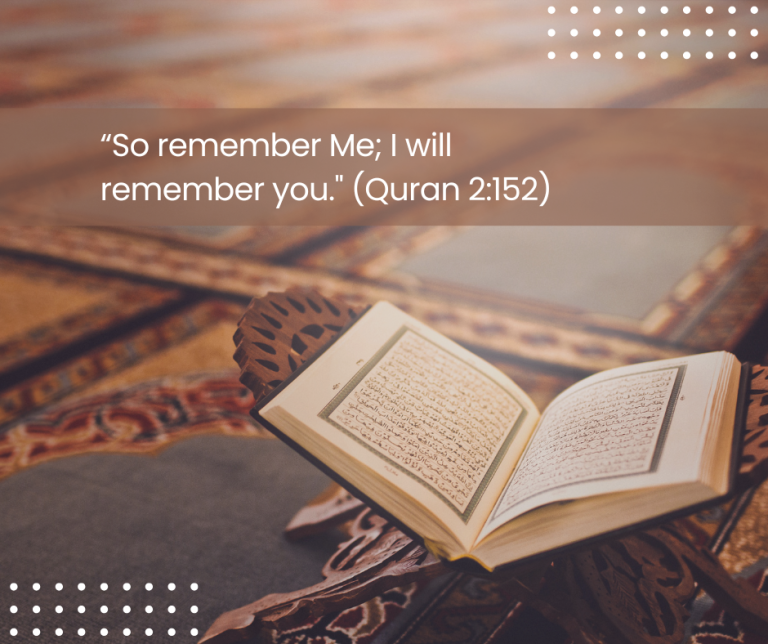

Tips for Parents: Helping Your Child Memorize the Quran at Home
Memorizing the Holy Quran, or Hifz, is one of the most rewarding achievements for a Muslim child. It not only strengthens their connection with Allah but also builds discipline, patience, and a sense of responsibility. However, parents often wonder how to support their children in this sacred journey, especially when learning is done from home.
With the right guidance, daily routines, and motivation techniques, memorizing the Quran at home can become an enjoyable and successful experience for both parents and children. Here’s a complete guide for parents to help their child memorize the Quran effectively.
1. Understand the Importance of Hifz
Before starting the journey, it’s important for parents to understand why Quran memorization matters. The Quran is the word of Allah, and memorizing it carries immense rewards both in this life and the hereafter. When children understand the spiritual significance of Hifz, they are naturally more motivated to learn.
Parents can:
- Discuss the rewards of Hifz in simple terms suitable for children
- Share stories of young Hufaz (Quran memorizers) to inspire them
- Encourage daily recitation to feel connected to Allah
2. Set a Daily Quran Memorization Routine
Consistency is the key to Hifz success. Setting a structured daily schedule helps children develop discipline and ensures steady progress.
Recommended Daily Routine:
- Morning Sessions: Early morning is the best time for memorization when the mind is fresh. Even 20–30 minutes of focused study can be very productive.
- Short Sessions: Avoid long sessions that may tire the child. Instead, divide memorization into 10–15 minute segments with small breaks.
- Revision Time: Allocate at least 10–15 minutes for revising previously memorized portions before starting a new lesson.
- Evening Recap: A short session in the evening can reinforce the day’s learning and help retention.
Consistency builds habit, and over time, children develop fluency and confidence in recitation.
3. Create a Dedicated Learning Space
A quiet, comfortable, and distraction-free space is essential for effective learning. Children memorize best when they are in an environment that supports focus and calmness.
Tips for creating the ideal space:
- Choose a well-lit area with a comfortable seat
- Keep Quran, notebook, and study materials organized
- Minimize distractions such as phones, TV, or loud noise
- Decorate the space with Islamic art or inspirational quotes to encourage focus
4. Start with Small Portions
Memorization is easier when breaking the Quran into smaller portions. This approach reduces overwhelm and allows the child to focus on perfecting one section at a time.
- Begin with short Surahs from the last Juz of the Quran
- Gradually increase the length of verses as the child becomes more confident
- Use repetition to reinforce memory and understanding
Parents can also use tools like flashcards or digital Quran apps to help children recall verses more effectively.
5. Teach Correct Pronunciation and Tajweed
Memorizing the Quran is not just about remembering words—it’s also about pronouncing them correctly according to Tajweed rules.
- Encourage children to recite with proper articulation
- Join your child in listening to qualified Qaris to mimic correct pronunciation
- Schedule one-on-one online Tajweed sessions if needed for guidance
Correct pronunciation from the beginning prevents bad habits and ensures the child memorizes verses accurately.
6. Motivate and Reward Your Child
Motivation is a critical factor in Quran memorization. Children respond positively to praise, encouragement, and small rewards.
Tips for motivating your child:
- Celebrate achievements: Praise them for completing a new Surah or memorizing difficult verses
- Use visual progress charts: Children love to see their progress in a visual way
- Reward effort, not just results: Encourage perseverance even if memorization takes longer than expected
- Connect memorization to spirituality: Remind your child that memorizing the Quran is a way to earn Allah’s pleasure
7. Incorporate Revision Techniques
Revision is essential for long-term retention. Without regular review, children may forget memorized portions.
Effective revision techniques include:
- Daily Revision: Review previous lessons before starting new ones
- Weekly Recap: Recite the week’s memorized sections together
- Cumulative Revision: Periodically review all memorized portions to strengthen memory
- Audio Recording: Let your child record their recitation and listen to it for correction and reinforcement
8. Encourage Understanding Alongside Memorization
Understanding the meaning of the Quran makes memorization easier and more meaningful. Children who comprehend the verses are more engaged and motivated.
Parents can:
- Explain the basic meaning of verses in simple Urdu or English
- Connect the lessons to everyday life and morals
- Encourage questions about stories of prophets and teachings of Islam
By combining memorization with comprehension, children not only memorize but also internalize the message of Allah.
9. Be Patient and Supportive
Quran memorization is a gradual process. Children may face challenges, forget verses, or lose focus at times. Parents play a crucial role by being patient, supportive, and understanding.
- Avoid scolding or pressuring the child
- Offer gentle guidance and encouragement
- Celebrate small milestones to boost confidence
A positive and supportive environment helps children develop love for Quranic learning, rather than seeing it as a chore.
10. Use Online Quran Classes for Additional Support
One-on-one online Quran tutoring can enhance your child’s memorization journey. Professional tutors guide students through proper Tajweed, memorization techniques, and revision.
At Hafiz Ibrahim Quran Academy, we provide:
- Personalized Hifz sessions for kids and adults
- Daily lessons and continuous evaluation
- Flexible scheduling to fit your child’s routine
- Supportive tutors who motivate and track progress
Parents can monitor progress through regular updates from tutors, ensuring steady growth and fluency in memorization.
11. Build a Spiritual Connection
Finally, helping your child memorize the Quran is not just about words and recitation—it’s about nurturing a strong relationship with Allah. Encourage your child to:
- Make du’a before starting memorization
- Reflect on the meanings of verses
- Practice recited Surahs in daily prayers
A spiritual connection reinforces commitment and turns memorization into a lifelong habit of love for the Quran.
Conclusion
Memorizing the Quran at home is a rewarding journey that requires patience, consistency, and guidance. Parents play a crucial role in supporting their children by:
- Setting a daily routine
- Creating a distraction-free learning environment
- Encouraging correct pronunciation and Tajweed
- Motivating and praising achievements
- Incorporating understanding along with memorization
By combining love, patience, and structured learning, your child can successfully memorize the Quran while developing a deep spiritual connection with Allah.
At Hafiz Ibrahim Quran Academy, we provide professional guidance, one-on-one online classes, and personalized support to make Hifz learning effective and enjoyable for children all over the world.
Enroll your child today and start their journey to memorizing the Quran confidently, fluently, and beautifully.
Contact Us:
- Phone / WhatsApp: +92 302-5535903
- Email: Info@hafizibrahimquranacademy.com
- Website: hafizibrahimquranacademy.com
- Facebook: Hafiz Ibrahim Quran Academy